Pick two. The table shows their rating, their Openness score and the facts behind it, each from the vendor's own pages.
Free plan availableFree plan
Want to compare general tools, like two CRMs or two project tools? Every tool page has a Compare button, with no limit.
Grab a 15-minute chat. Sometimes the answer is to build the missing piece next to what you run.
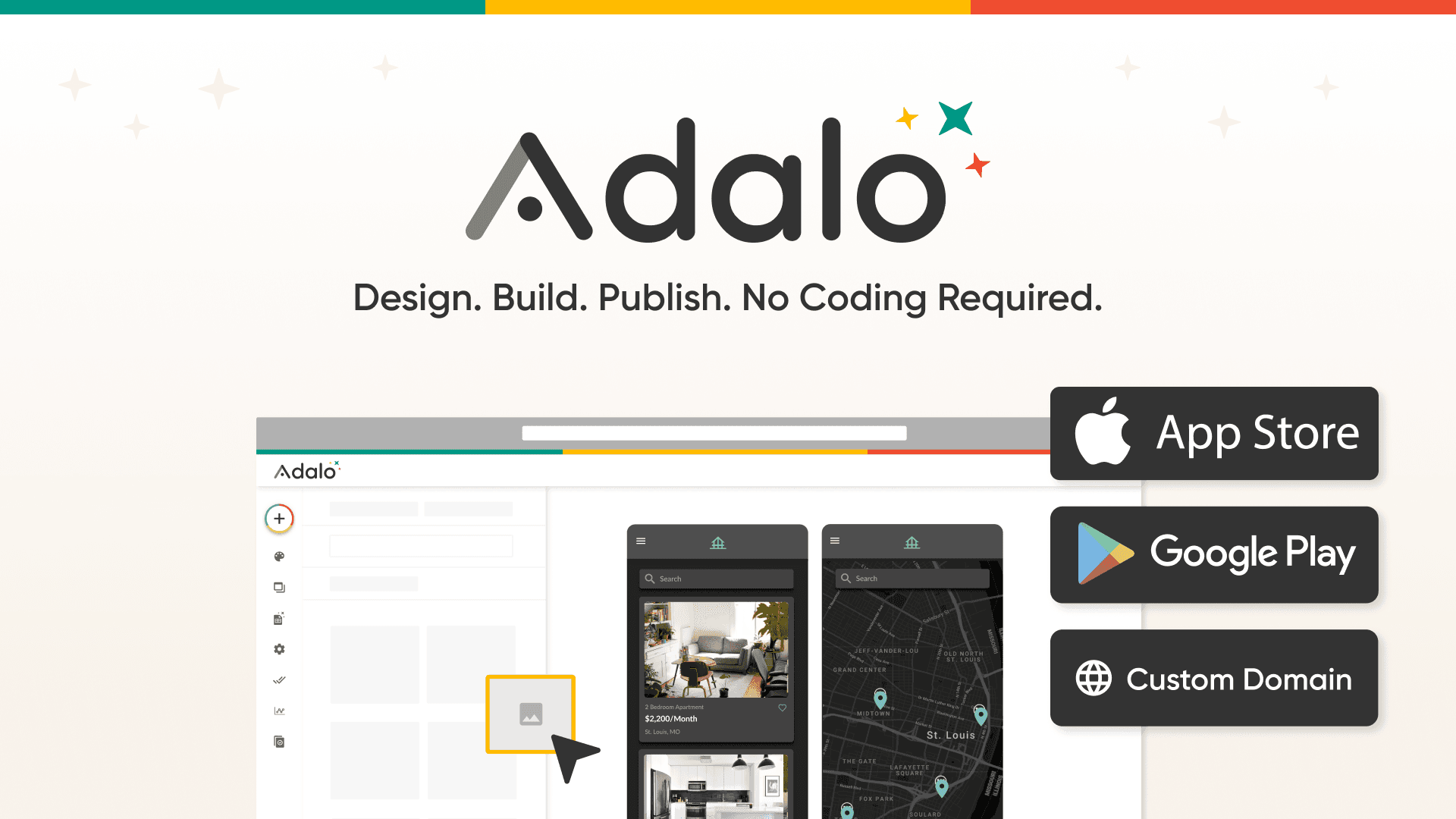
Adalo is a no-code app builder that lets you design and publish real native iOS, Android, and web apps from a single project — without writing any code or hiring developers. You work on a visual drag-and-drop canvas where you lay out screens, connect data, and set up actions, and Adalo handles the code behind the scenes. When you are ready, you can publish directly to the Apple App Store, Google Play Store, and a custom web domain from the same project. The platform includes a hosted database, so you do not need to set up your own backend. You can also connect external data sources like Airtable, Google Sheets, or Xano if you already have data elsewhere. Adalo supports features like push notifications, geolocation, in-app payments through Stripe, custom actions, and a component marketplace. Adalo recently added Ada, an AI assistant that helps you generate app screens and edit your app using plain-language prompts. Many apps have been created on the platform. Integrations with Zapier and Make connect your Adalo app to thousands of other services.
Ada is Adalo's AI assistant that lets you describe what you want to build in plain language. It can generate entire app screens, create database structures, and make edits to existing components based on your prompts. Ada is included on every plan, including the free tier.
Adalo is a solid choice for SMB owners who want to build a custom mobile or web app without hiring developers. The free plan is genuinely useful for prototyping, and the visual builder is approachable for non-technical users. However, it works best for simpler apps like booking systems, directories, loyalty programs, and internal tools. If you need a complex app with heavy data processing, you will likely hit the platform's limits.